
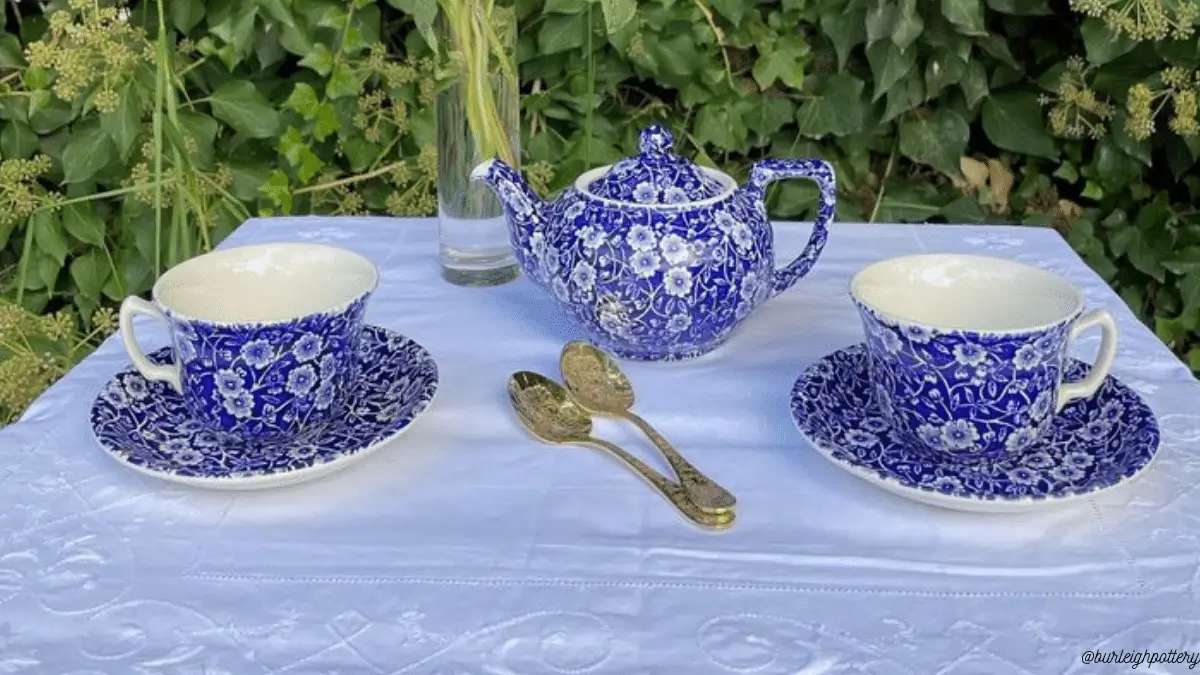
Tea is one of the most popular drinks in the world and the UK has a long history with the beverage. In this blog post, we will take a look at the complete history of tea in England. Let’s examine how tea first came to England, the different types of tea that have been popular throughout history, and how tea has evolved over time. If you’re interested in learning more about the history of this beloved drink, then keep reading!
Legendary Leaves
Brits have been drinking tea for around 350 years and although it’s been around for many years now, its roots have long gone away. Ganged goes that in 2737 BC, a famous Chinese king and herbalist, Shen Nung was sitting in the shade of the trees while boiling water. Leaves from a Camellia sinensis tea plant landed on its surface, causing Shen Nung to taste the drink. He loved the taste and claimed that the tea enveloped his every being. He called it ‘Cha’, meaning ‘investigator’.
Another variation of a legend claims that Shen Nung accidentally poisoned himself several times in his quest to discover new herbs.
How Did Tea Arrive In England?
The history of tea in England is a long and fascinating one. Tea first came to England in the early 17th century. The British East India Company began introducing tea to the country as it had a monopoly on goods imported into England. The tea ships reached Europe through Venice via the Portuguese and Dutch traders.
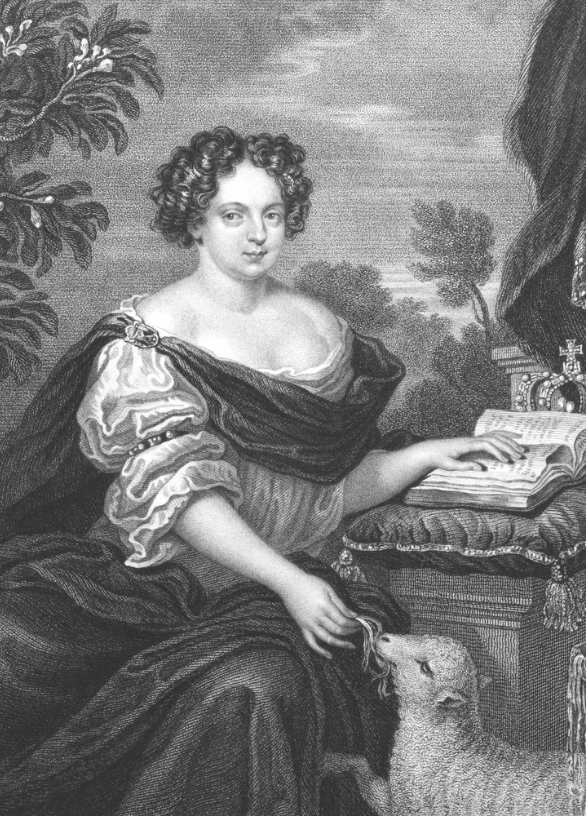
In the early 1600s, tea drinking was mostly confined to the upper echelons of society. This changed in 1662 when Princess Catherine of Braganza married King Charles II.
Catherine was a Portuguese princess who was introduced to tea drinking at a young age. When she came to England, she continued to drink tea and regular served this to her court. This caused her to quickly gain a reputation for being a big fan of the beverage.
As a result of Catherine’s influence, tea became popular among the British aristocracy.
Tea Trade In The UK – The Tea Clippers
As mass imports came from India, tea was a major turning point in Britain. In 1853 the British imported less than 2lbs of tea from China. India’s tea, especially Assam tea, took over. Initially, the merchants began transporting goods in tea clippers – slick ships built for efficient use, which famously produced clipper race races during the 1860s.
These race clippers gathered at the Canton rivers to sail along the Chinese Sea through the Indian Ocean & around Cape Hope. Then, the ship went across the Atlantic through the Azores and into the channel.
Taxes and Smuggling of Tea
Although tea had grown in popularity, it remained expensive to drink and it was rarely offered to anyone other than the upper class. British trade with China had never existed before and it therefore relied heavily upon imports of Dutch goods.
In addition, a 1676 bill which taxed tea but required coffeehouse owners to apply to be granted licence boosted tea’s prices dramatically. In 1691 further taxes had made it possible to legalize tea. So smuggling took on a new form. Several Dutch ships brought teas across the English coast.
Afternoon Tea
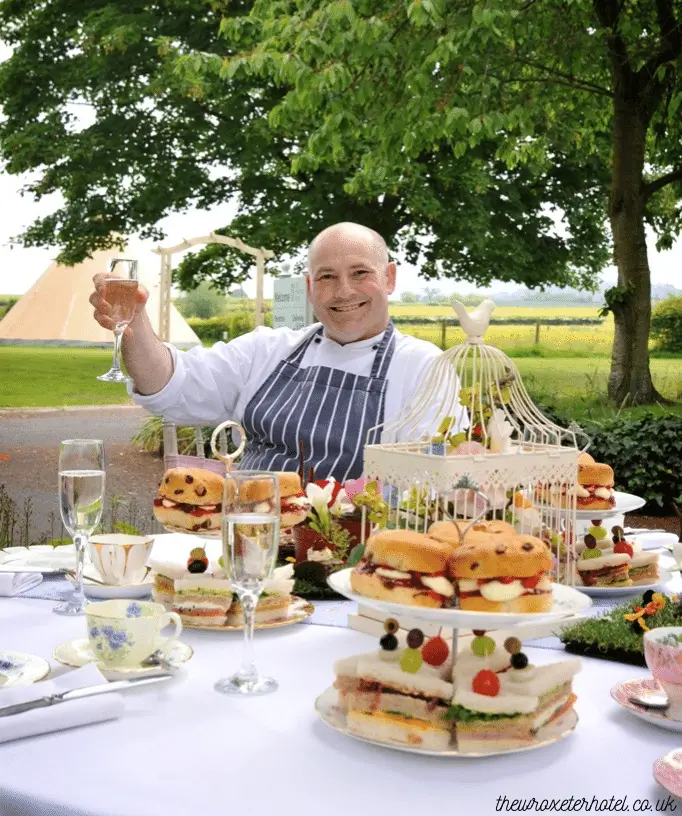
Afternoon tea became popular in England during the Victorian era. The idea of Afternoon tea came from Anna, the seventh Duchess of Bedford. The Duchess would often find herself hungry at about four o’clock in the afternoon, prior to her evening meal. She would have a light meal consisting of bread and butter, cakes, and tea. The Duchess enjoyed her late-afternoon meal so much that she began inviting friends to join her. Afternoon tea quickly became a fashionable social event among the British aristocracy.
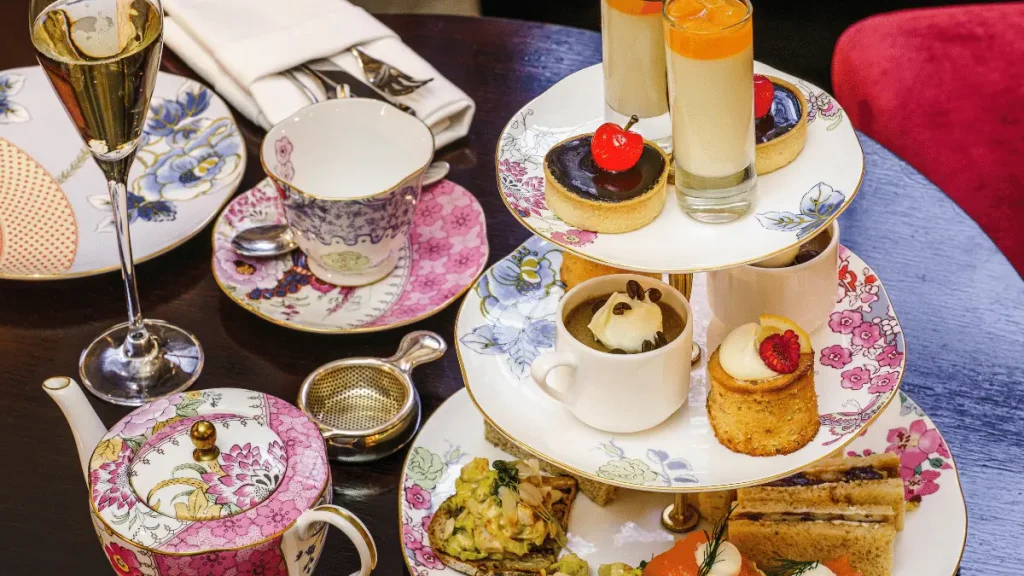
Afternoon tea usually consisted of finger sandwiches, scones, pastries, and cake were eaten and are still a staple of afternoon tea in England today. In addition, a cream tea which is a cup of tea with scones, clotted cream, and jam became popular in Devon and Cornwall.
As time went on, different variations of afternoon tea developed. For example, high tea is a type of afternoon tea that is more substantial and typically includes hot dishes such as meat pies or soup.
Today, afternoon tea is enjoyed by people all over the world. If you’re ever in England, be sure to give it a try!
Pottery And Porcelain Industry
The history of tea in England is also closely linked to the development of the pottery and porcelain industry. These china cups were made from clay that was imported from China. These early tea cups and tea bowls were very fragile and expensive. As a result, they were only used by the upper classes.
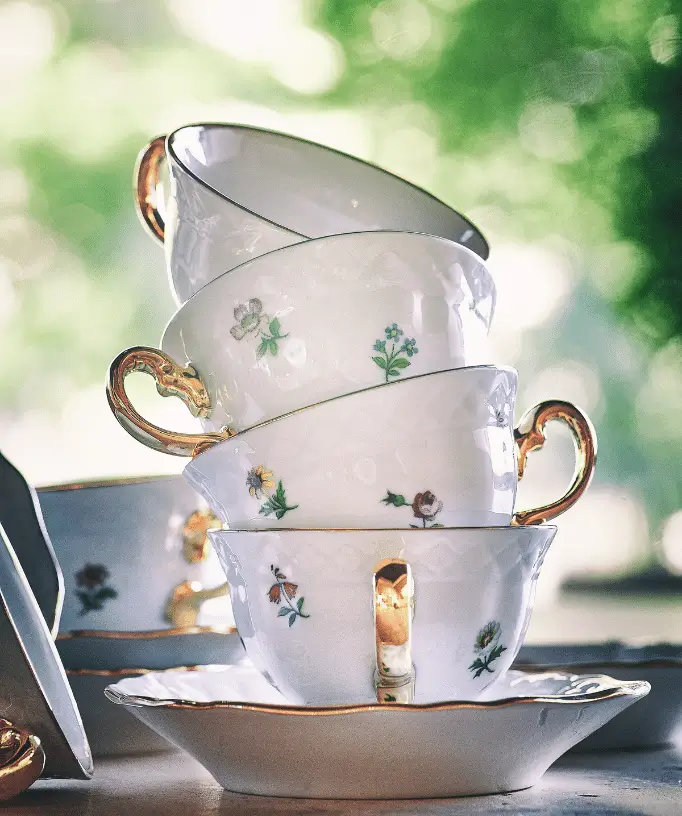
In the late 17th century, English potters began to experiment with new types of clay that were found in England.
This resulted in the development of a new type of pottery known as bone china. Bone china is a type of porcelain that is made from clay mixed with animal bones.
This new delicate bone china cup type of pottery was much stronger and cheaper than Chinese porcelain. As a result, it quickly became popular among the middle and lower classes.
Tea Shops In Britain
The first tea shop was the result of a single individual. In 1864, the female head of a rated bakery started providing food and beverages to her customers but she served her most valuable customers tea. Soon, all of us asked for coffee. The idea spread across England like wildfire. Not simply because women had a place in which to find friends, but because it was possible to socialize. Coffee houses soon became the places for all socializing.
Today, there are many different types of tea shops in England. Some specialize in selling loose tea leaves, while others sell tea bags or iced tea. Many specialty tea shops sell a wide variety of different types of tea from all over the world. If you’re ever in England, be sure to visit one of these amazing tea shops!
Tea Gardens in Britain
Ranelagh Gardens began serving tea around 1730.
Traditionally tea grounds opened on Saturdays and Sundays and tea serving complemented evening dances and entertaining.
Different Types Of Tea That Have Been Popular In England
Over the years, there have been many different types of tea that have been popular in England. One of the most popular types of tea in the 18th century was bohea tea. Bohea tea was a type of black tea that was grown in the Wuyi Mountains in China. This tea became very popular among the British aristocracy as it was considered to be a luxurious drink.
In the 19th century, however, green tea became more popular than black tea. Green tea is made from unoxidized leaves and has a light, grassy flavour. This type of tea quickly gained popularity among the British public as it was seen as a healthier alternative to black tea.
During the 20th century, there was a huge increase in the popularity of fruit teas. Fruit teas are made by adding dried fruits or flavouring to black or green tea. These types of teas were very popular among women as they were seen as a refreshing and healthy alternative to other types of tea.
Today, there are many different types of tea available in England. Black tea, green tea, white tea, oolong tea, and pu-erh tea are all popular choices. Herbal teas such as chamomile and peppermint are also very popular. The history of tea in England is a long and fascinating one that has resulted in the development of a wide variety of different types of tea.
Popular Teas In Britain Today
Lapsang Souchong
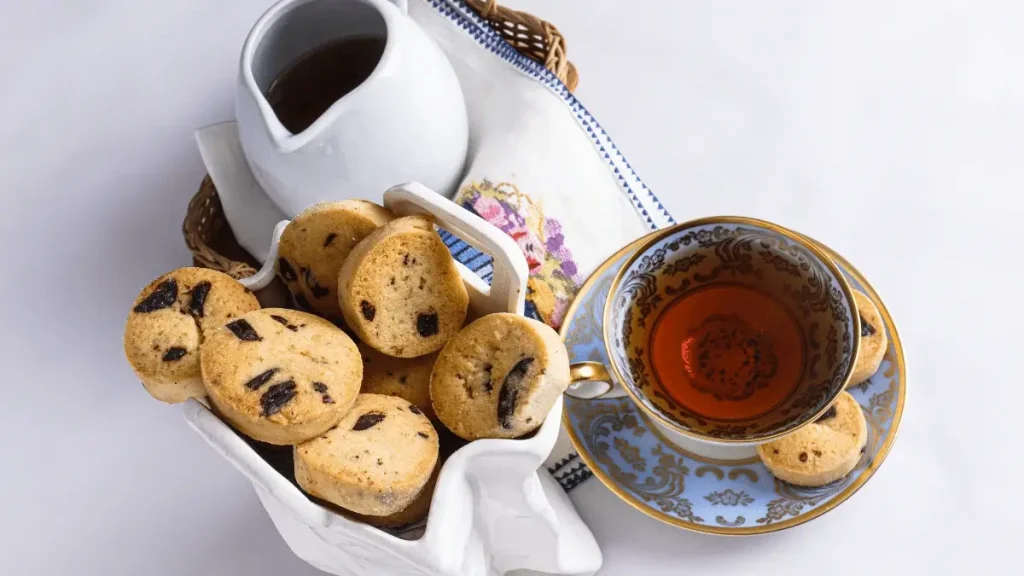
Is a type of black tea that originates from China. This type of tea is made by smoking the leaves over pine fires before they are dried. Lapsang Souchong has a strong smoky taste and milk may be added to it.
Earl Grey tea
The history of tea in England would not be complete without mentioning Earl Grey tea. A type of black tea that is flavoured with oil from the rind of the Bergamot orange. This type of tea was named after Charles Grey, who was the British Prime Minister in the 1830s. He was given this tea by a Chinese diplomat as a gift. Earl Grey tea is a very popular type of tea in England and is often drunk with milk and sugar.
White tea is a type of tea that is made from young leaves and buds that have been minimally processed. White teas are very delicate and have a subtle flavour.
Green tea
A type of tea that is made from leaves that have been steamed or pan-fried to stop oxidation. Green teas can vary widely in taste depending on the region where they are grown and how they are processed.
Oolong tea
A type of semi-oxidized tea that falls somewhere between black and green tea in terms of flavour and color. Oolong teas are produced in both China and Taiwan and can vary widely in taste depending on the region where they are grown.
Assam Tea
This type of black tea is grown in the Assam region of India. It has a strong, malty flavour and is often used as a base for other types of flavored teas.
Darjeeling Tea
This type of black tea is grown in the Darjeeling region of India. This tea has a light, flowery flavour and is considered to be one of the finest teas in the world.
Yorkshire Gold
Another tea that needs to be included in the history of England is Yorkshire tea. A black tea that is blended with different types of tea from the Yorkshire region of England. It has a rich, full-bodied flavor and is one of the most popular types of tea in England.
Lady Grey
Lady Grey is actually a type of Earl Grey. The difference is that Earl Grey just has Bergamot whereas Lady Grey is flavoured with lemon and Bergamot. It was first created in the 1980s and has become a popular alternative to Earl Grey. It is also trademarked by the company Twinnings.
What Is Pu-erh Tea?
Pu-erh tea is made from fermented and aged leaves. This type of tea has a strong, earthy flavor and is considered to be one of the oldest types of tea. Pu-erh tea is usually enjoyed without milk or sugar.
Herbal teas – What Are They?
Herbal teas are made from a variety of different herbs, spices, and fruits. These teas are not actually teas at all, but infusions made from herbs, fruits, and spices. Herbal teas do not contain any caffeine and can be enjoyed hot or iced. They are also caffeine-free and often drunk for their health benefits.
- Best for Immunity: White Tea.
- Best for Digestion: Peppermint Tea.
- Best for Relaxation: Chamomile Tea.
- Best for Gut Health: Ginger Tea.
- Best for Lung Health: Herbal Tea.
- Best for Sickness: Peppermint Tea.
- Best at Bedtime: Chamomile Tea.
The history of tea in England is a long and fascinating one that has been shaped by many different factors over the years. From its humble beginnings as a medicinal drink to its current status as a national icon, tea has come to play an important role in English culture and is considered by many to be its national drink. Whether you enjoy a cup of tea in the morning or afternoon, there is no denying that this beloved beverage has an interesting history.